Twenty years ago, my wife was told she couldn’t get pregnant. Since then, she has delivered four children.
What are the common traits between this example, a radiologist assessing breast cancer, a tuberculosis specialist, a credit underwriter, a risk manager, a fingerprint expert, a psychologist, a judge?
According to my understanding of the book Noise, it comes down to three points.
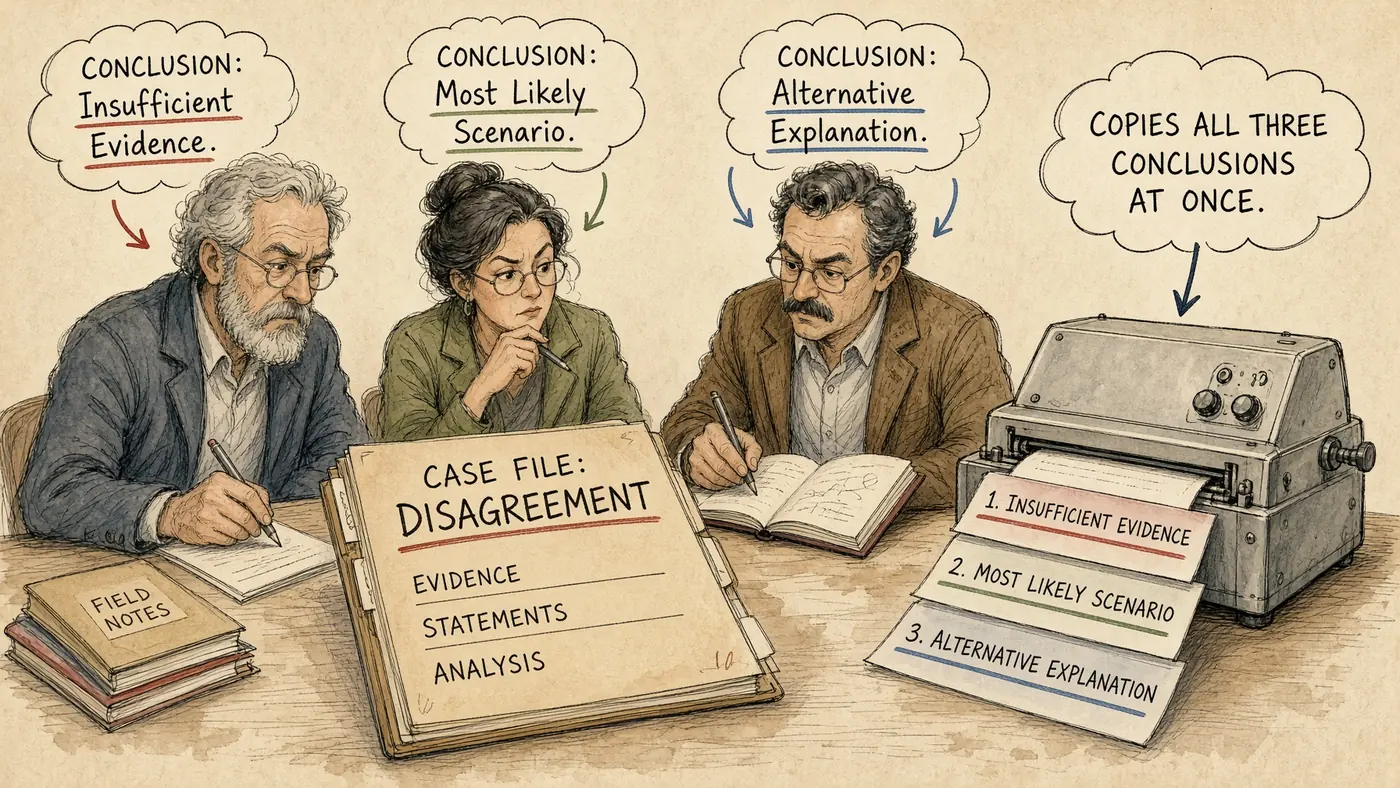
- They might make mistakes when making a judgment. Clearly the case with my wife.
- They might judge the same case differently when it is presented at a different time — say, three months apart.
- The judgment between Expert A and Expert B on the same case can differ dramatically.
When experts, trained extensively in their fields, show that inconsistency — what the book calls noise — assessments inside companies will suffer even more when the decision is about someone’s career. I have personally watched corporate assessments, including OKRs, get misused or poorly understood. At best.
This is likely to become one of the major change-management problems as AI is pushed into day-to-day processes. A framework that looks not only at how jobs might change, but at how individuals might leave because the job simply became too boring, is one response.
I experimented with a prototype to estimate the likelihood that an employee leaves, or that a role is displaced. It was structured as agents.
- Capture and structure employee profiles: roles, responsibilities, salary, job descriptions.
- Track how job titles evolved inside the company: experience, education, skills added or phased out.
- Analyze how requirements changed year over year.
- Estimate each person’s likelihood to leave, and each role’s likelihood of being displaced.
Noise shows up here too. Depending on the type of AI you use, and how you use it, the output varies significantly.
The prototype, flaws included, was still a useful base for change management: why someone might leave, where to upskill, how a team might be reorganised. It also made obvious that the volume of data can overwhelm everyone.
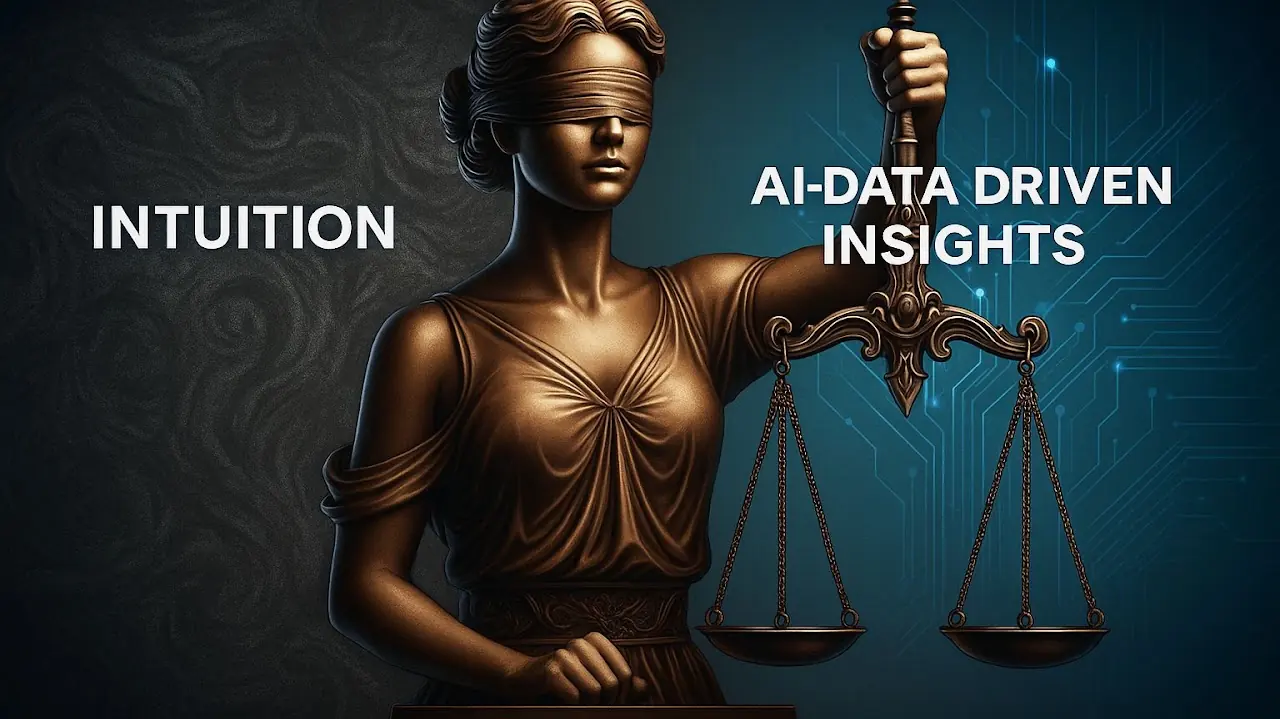
Delegating judgment to AI will hit limits. The last step, a human reading the result, is where the collaboration has to be sharpest.
This is where machines and humans will need to collaborate the most.