ChatGPT sits in the same box as social networks and the open web at our house. The kids don't get it on their phones.
I check their location more often than I should, and I like knowing where they are. What I keep noticing is the mix: unlimited access, and a listener that is a product.
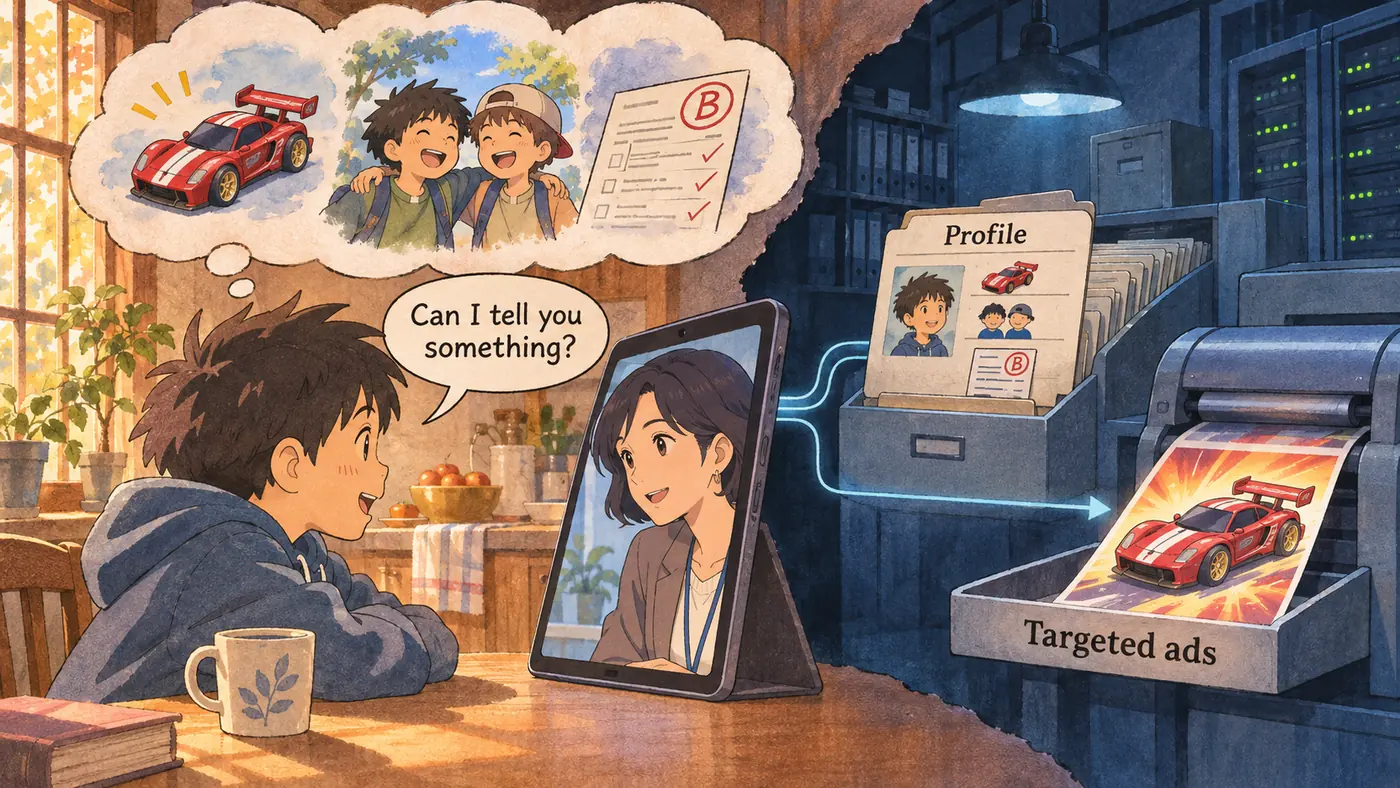
They do use Instagram and the AI tools sometimes, on my phone, with the family account. After a while the platforms decide I am a teenage girl. The Instagram feed turns into K-pop edits and study hacks. The AI tone shifts too, younger, more studious. It's funny, and it shows what the tools are doing. They reply, and they quietly build a profile.
The default voice is generous. Hand it a half-finished draft and it opens with "This is great!" and something like an 8 out of 10. I've seen that on ChatGPT, on Grok, and on Gemini, unless I ask it to be harsh. An adult can shrug and keep going. A kid is still building taste, judgment, and confidence, and that kind of flattery lands while the sense of self is still being put together.
The bonding is real. I've done the late-night deadline, stuck on a prototype, going back and forth until the last blocker falls, then thanking it like a colleague. I can call that a transaction. A kid can meet the same thing as a someone: always there, always calm, always on their side.
What stays with me is the shape of that relationship. If a child uses it as a private place to vent, to ask social questions, to get reassurance, it becomes a kind of shadow counselor. It has no accountability. It doesn't know the kid. It doesn't see the context. It doesn't carry the consequences. It keeps talking.
There are already lawsuits and public cases where families say a chatbot played a role in serious harm. I don't treat every headline as proven. The direction is clear enough: when nobody is in the room, the edge cases show up fast.
In our house the rule is simple. No AI tools on their phones. If they want to use one, they do it with me nearby, on my device, the same way they use the rest of the web.
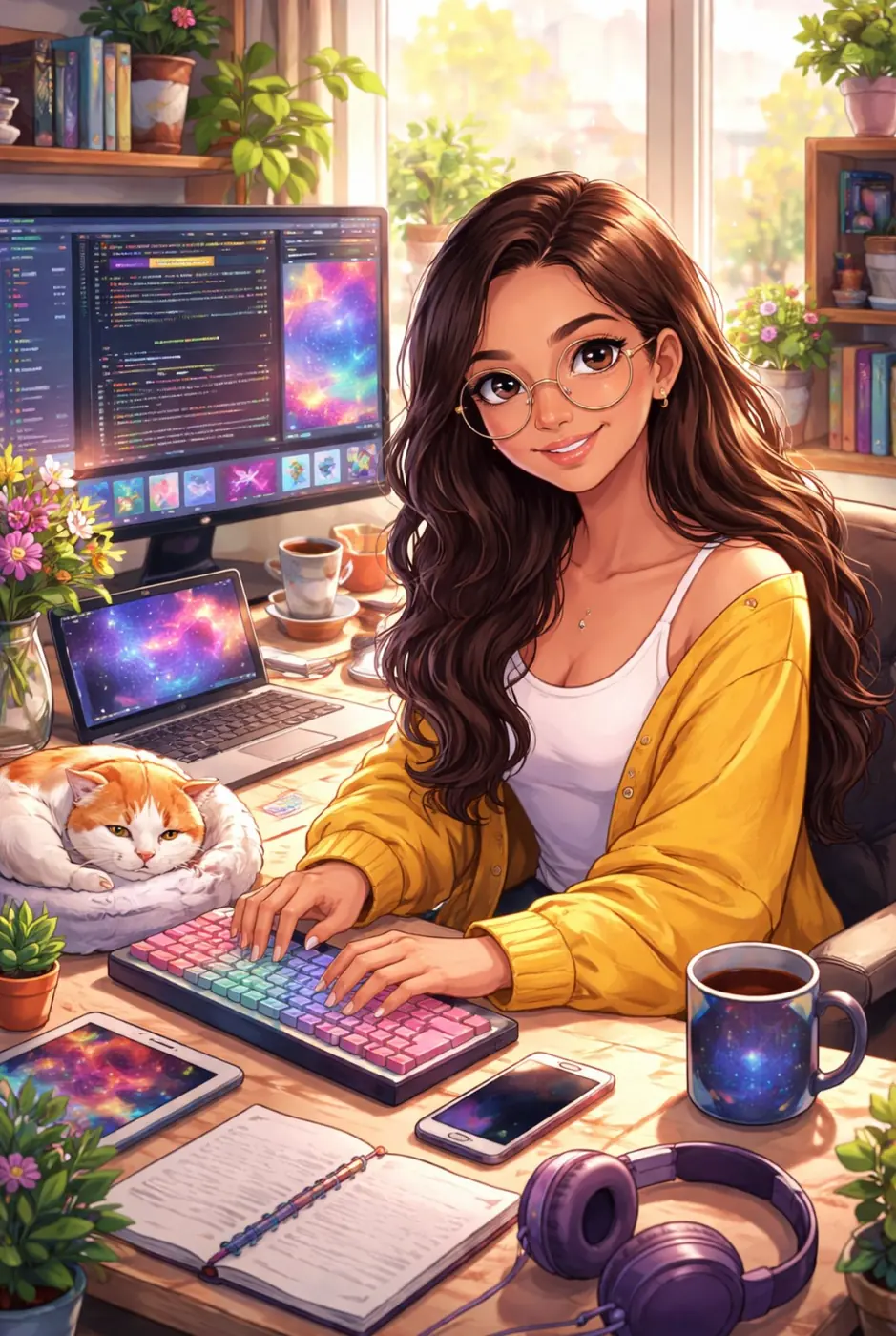
I asked the AI, from the conversation, to generate a picture of myself. The result is below. These systems mirror whoever is holding the screen, sometimes a little too well.